
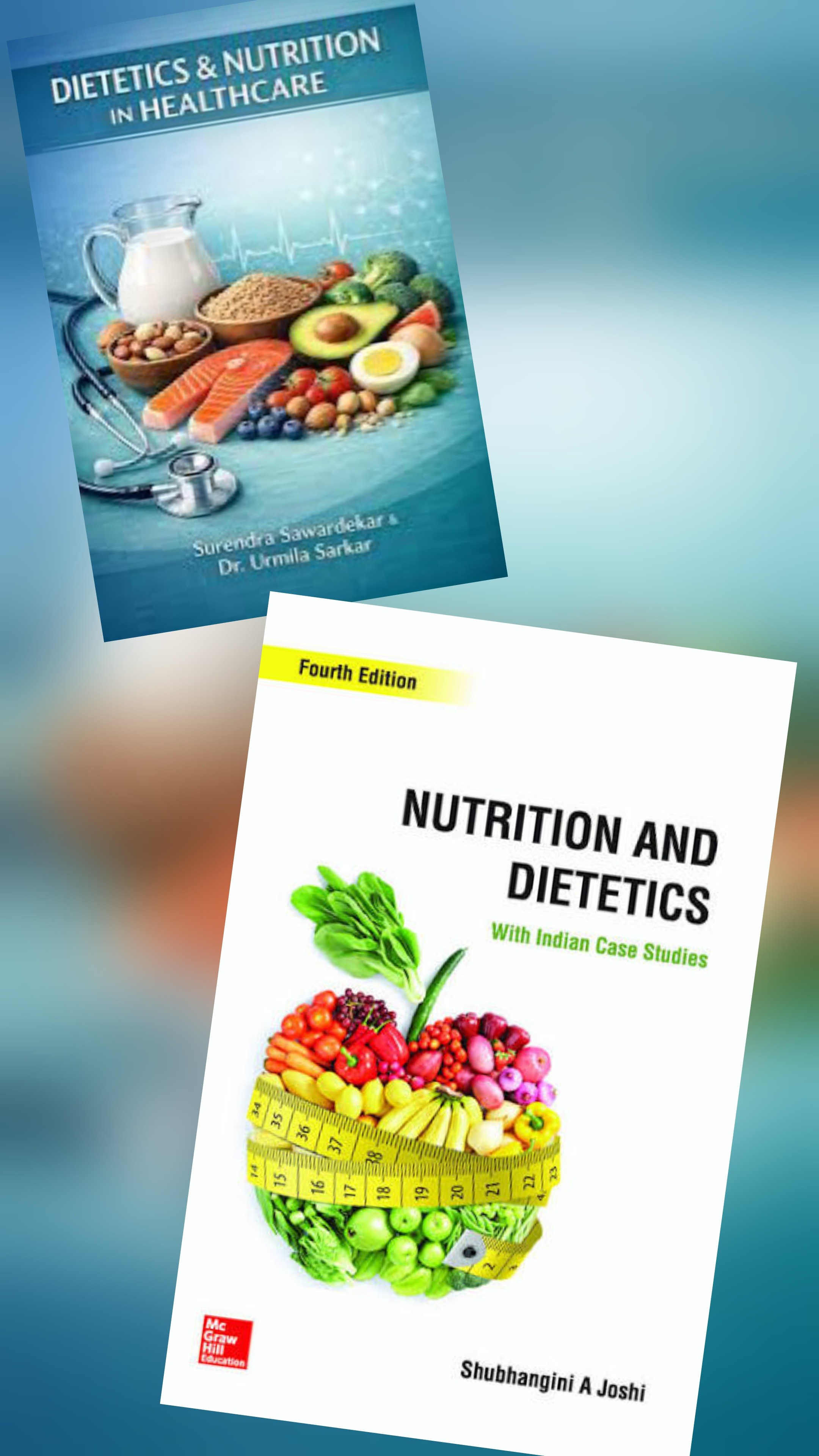
FSNU 213: FUNDAMENTALS OF DIETETICS
Purpose of the course
The purpose is to give a practical exposure to aspects of clinical nutrition. Every once a week for a whole semester, students will be assigned to different health facilities for the hands-on practiced a under supervision.
Expected learning outcomes
By the end of this course students should be able to
- Provide nutrition and dietetic services in a health care facility setting
- Manage patients with special nutritional needs
- Educate clients in aspects food and nutrition
Course Content
Basic terminologies: enteral and parental nutrition addressed; supervised experience in patient care areas of designated health care facilities; assigned experiences are designed to complement and reinforce the knowledge gained in advance nutritional care; emphasis on staff performance with students functioning as staff members in nutrition care and nutrition education corresponding with community nutrition; role of nutrition education in patient care; methodologies and approaches in nutrition education ; communication in education; development of educational tools and materials; behaviors change concept; application of behavioral theories in behavior communication; discussions on the care process of challenging cases using practical examples.
|
Lecture |
Topic |
Assignment |
|
1 |
Introduction to dietetics · Basic terminologies |
|
|
2 |
Role of nutrition education in patient care |
|
|
3 |
Communication in nutrition education |
Literature search |
|
4 |
Communication in nutrition education |
Practical |
|
5 |
Nutrition education tools and materials |
|
|
6 |
Theories of behavior change |
Literature search |
|
7 |
Theories of behavior change |
|
|
8 |
Hospital Visit |
Literature search |
|
9-10 |
Hospital Visit |
Practical |
|
|
CAT |
|
|
|
|
|
|
11-13 |
EXAMINATIONS |
|
Mode of Delivery:
The course will be delivered through a combination of;
a) Face-to face
b) Blended Learning
Instructional Materials and /or Equipment
LCD projector, and writing boards, Key reference books and materials
Mode of Assessment:
Assignments 10%
CAT 20%
Examination 70%
TOTAL 100%
Core Reading Materials
1. De Bruyne, et al (2019) Nutrition and Diet Therapy; Cengage Learning
2. McIntosh S.T. (2016) Williams' Basic Nutrition & Diet Therapy; Cengage Learning
3. Bloomfield FH, Jiang Y, Harding JE, Crowther CA, Cormack BE.(2022). Early amino acids in extremely preterm infants and neurodisability at 2 years. N Engl J Med. 387(18): 1661-1672.
Recommended Reference Materials
1. Roth R.A., and Wehrle K. L., (2017) Nutrition & Diet Therapy. Cengage Learning
2. Peckenpaugh N.J., (2013); Nutrition Essentials and Diet Therapy Taylor & Francis Inc.
3. Morgan C, McGowan P, Herwitker S, Hart AE, Turner MA. (2014). Postnatal head growth in preterm infants: a randomized controlled parenteral nutrition study. Pediatrics, 133(1): e120-e128.
4. Domellof M, Szitanyi P, Simchowitz V, Franz A, Mimouni F. (2018). ESPGHAN/ESPEN/ESPR/CSPEN Working Group on Pediatric Parenteral Nutrition. ESPGHAN/ESPEN/ESPR/CSPEN guidelines on pediatric parenteral nutrition: iron and trace minerals. Clin Nutr; 37(6 Pt B): 2354-2359.
5. Stanfield P. S., (2009) Nutrition and Diet Therapy: Self-Instructional Approaches Taylor & Francis Inc.
6. Balakrishnan M, Jennings A, Przystac L, et al. (2018). Growth and neurodevelopmental outcomes of early, high-dose parenteral amino acid intake in very low birth weight infants: a randomized controlled trial. JPEN J Parenter Enteral Nutr; 42(3): 597-606.
Journals
South African Journal of Clinical Nutrition (SAJCN) Print ISSN: 1607-0658 Online ISSN: 2221-1268
Journal of Human Nutrition and Dietetics Online ISSN:1365-277X; Print ISSN:0952-3871
Advances In Nutrition: An International Review Journal
Current Developments in Nutrition; A journal of the American Society of Nutrition; https://cdn.nutrition.org/
Clinical Nutrition ESPEN https://clinicalnutritionespen.com/
- Teacher: Florence Wamunga